By Krista Mahon
December 26, 2025
Keeping a property safe, functional, and attractive to tenants requires planning for both everyday operations and unexpected disruptions. Power outages are one of the most disruptive events a residential or commercial property can experience, affecting safety systems, tenant comfort, and business continuity. For property managers, understanding the realities of generator installation is essential when planning long-term infrastructure upgrades. A well-installed generator can protect assets, maintain habitability, and support tenant satisfaction during outages, but only if the process is approached with the right knowledge and expectations.
This blog explores what property managers should know before moving forward, from assessing property needs to understanding long-term responsibilities. Making informed decisions early can prevent costly mistakes later and ensure that backup power solutions deliver real value when they are needed most.
Understanding Why Backup Power Matters for Managed Properties
Property managers oversee buildings that often house multiple tenants, critical systems, and valuable equipment. When the power goes out, the consequences extend beyond inconvenience. Elevators stop functioning, security systems may fail, refrigeration can be compromised, and climate control becomes unreliable. For residential properties, outages can quickly raise safety concerns, especially for elderly tenants or those with medical needs. In commercial spaces, lost power can interrupt business operations and damage tenant relationships.
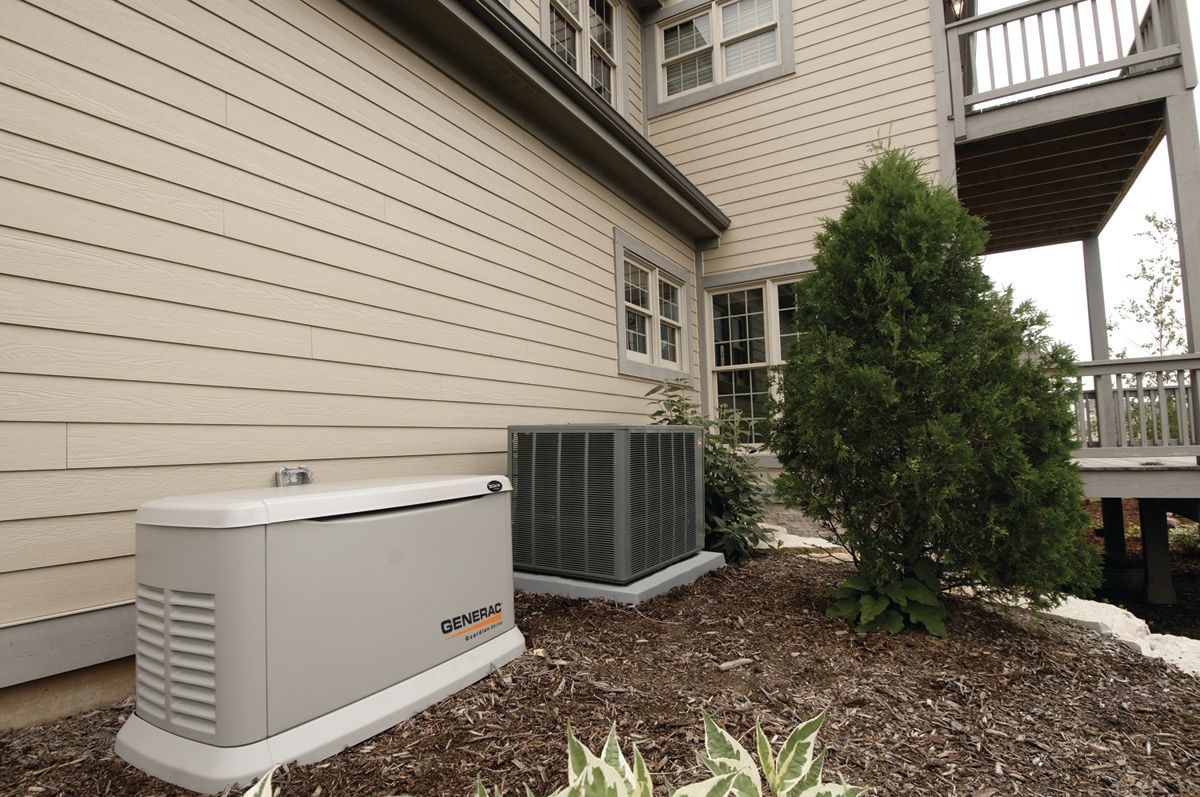
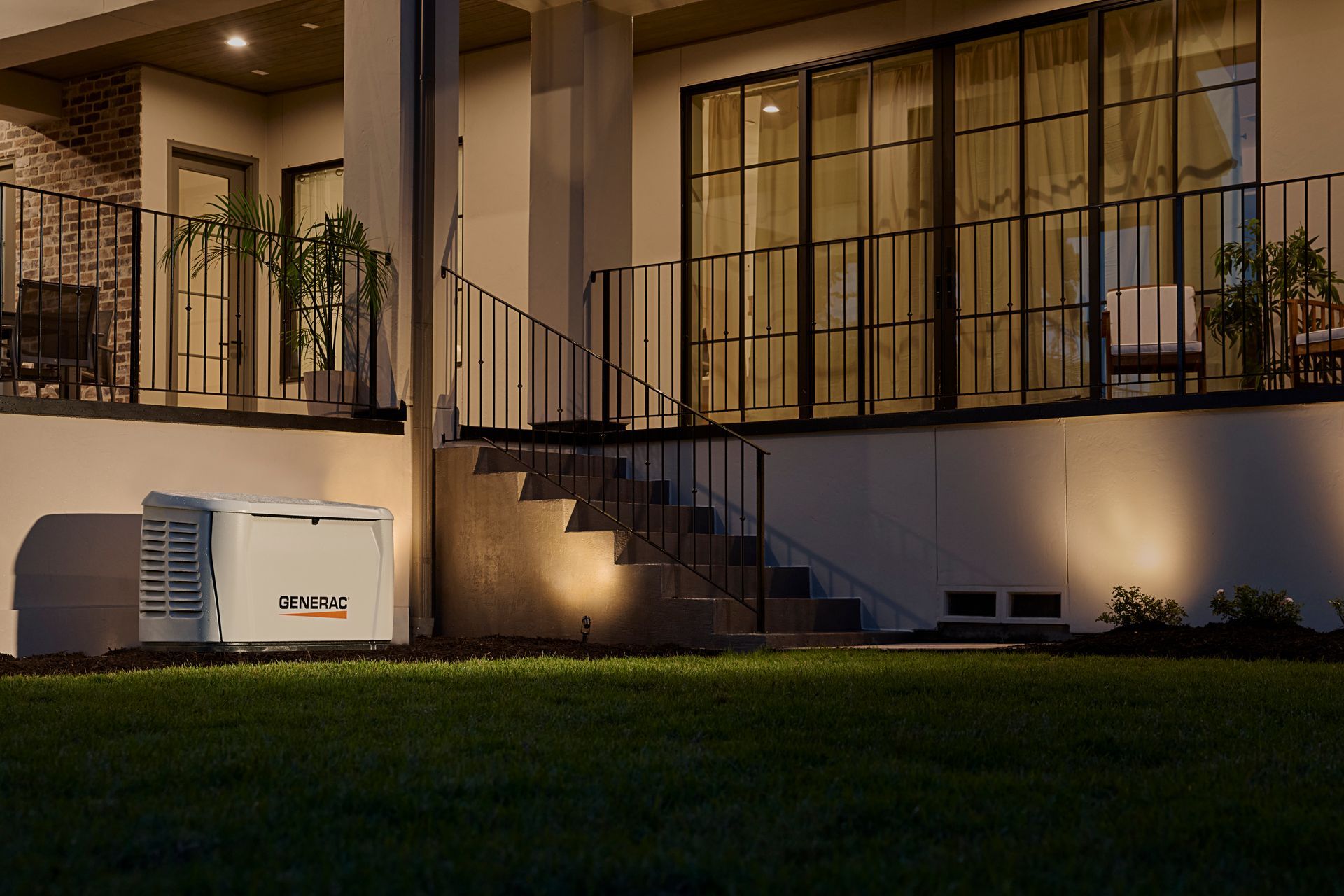
Generator installation provides a reliable safeguard against these risks by ensuring essential systems remain operational during outages. For property managers, this means maintaining lighting in common areas, keeping access control systems active, and supporting emergency communications. Backup power also protects building infrastructure, such as sump pumps and fire safety systems, that are critical during storms or severe weather events.
As expectations for reliability increase, tenants often view backup power as a sign of responsible property management. Properties that remain functional during outages stand out as safer, more dependable places to live or work. Over time, this reliability can translate into higher tenant retention and fewer emergency complaints.
Evaluating Power Needs and Property Requirements
Before moving forward with generator installation, property managers must understand the specific power demands of the property. Not all buildings require the same level of backup support, and oversizing or undersizing a generator can create unnecessary costs or operational gaps. The first step is identifying which systems must remain operational during an outage. These may include emergency lighting, elevators, fire alarms, security systems, heating or cooling, and refrigeration for certain commercial tenants.
A professional assessment can help determine the appropriate generator capacity based on load requirements. This evaluation considers the size of the building, the number of units or tenants, and the electrical demands of essential equipment. Property managers should also consider whether partial or whole-building backup power is necessary. In some cases, supporting only critical systems is sufficient, while in others, full coverage may be expected.
Planning also involves understanding physical space requirements. Generators need adequate space for installation, ventilation, and maintenance access. Noise levels, zoning regulations, and proximity to occupied areas all play a role in determining the best location. Addressing these considerations early helps prevent delays and ensures compliance with local codes.
Navigating Regulations, Market Growth, and Industry Trends
Generator installation is subject to a range of local, state, and federal regulations that property managers must navigate carefully. Permits, inspections, and compliance with safety standards are all part of the process. Working with experienced professionals helps ensure that installations meet electrical codes, environmental requirements, and fire safety regulations. Zoning restrictions, noise ordinances, and fuel storage rules may also apply, depending on the property type and location. Failing to address these requirements can lead to delays, fines, or costly modifications after installation, making regulatory awareness a critical part of the planning process.
The growing demand for backup power solutions underscores the importance of making informed decisions. According to Fortune Business Insights, the U.S. generator sales market value is expected to reach $6.75 billion in 2025. This growth reflects increasing awareness of power reliability issues and the rising frequency of weather-related outages. For property managers, this trend highlights the need to plan proactively rather than reactively, ensuring that systems are in place before outages disrupt tenants, operations, or essential services.
As the market expands, a wider range of generator options and technologies is becoming available. Property managers should stay informed about advancements in fuel efficiency, emissions standards, and monitoring systems. Understanding these trends allows managers to select solutions that align with both regulatory requirements and long-term operational goals. Modern generators often include remote monitoring and automated alerts, which can simplify oversight and improve response times during outages.
Planning for Installation Logistics and Long-Term Responsibilities
Installing a generator is not a one-time event but an ongoing commitment. Property managers must coordinate installation schedules to minimize disruption to tenants while ensuring safety during construction. Clear communication with residents or businesses about timelines and expectations helps maintain trust throughout the process. Providing advance notice, outlining safety precautions, and addressing tenant questions can prevent confusion and reduce complaints during installation.
Once generator installation is complete, ongoing responsibilities include regular testing, maintenance, and fuel management. Backup systems that are not properly maintained may fail when they are needed most. Property managers should establish maintenance schedules and understand service requirements to keep equipment in reliable working condition. This includes periodic load testing, monitoring fuel levels, and ensuring that control systems and transfer switches are functioning properly. Partnering with qualified service providers can simplify these responsibilities and ensure compliance with safety standards.
Budgeting is another critical consideration. While the upfront cost of generator installation can be significant, property managers should evaluate the long-term financial benefits. Preventing property damage, avoiding emergency repairs, and maintaining tenant satisfaction can offset initial expenses over time. Factoring maintenance, fuel, and inspection costs into annual budgets ensures that backup power remains a sustainable asset rather than a financial burden. Over time, a well-managed generator system can protect property value, reduce liability, and enhance the overall reliability of the property.
Maximizing Value and Communicating Benefits to Stakeholders
For property managers, generator installation is not just a technical upgrade but a value-driven decision. Communicating the benefits of backup power to property owners and tenants is essential for gaining support and maximizing return on investment. Owners often appreciate understanding how backup power protects assets, reduces liability, and enhances property marketability.
Tenants benefit from knowing that their safety and comfort are priorities. Clear messaging about how backup systems function during outages can reduce anxiety and improve satisfaction. For commercial tenants, reliable power can be a deciding factor when choosing to renew leases or expand operations within a property.
Ultimately, generator installation represents a proactive approach to property management. By planning carefully, understanding responsibilities, and staying informed about industry trends, property managers can ensure that backup power solutions deliver consistent, long-term value. When outages occur, preparation makes the difference between disruption and resilience, reinforcing trust in the property and those who manage it.
Generator installation is a strategic investment that supports safety, reliability, and operational continuity for managed properties. By understanding power needs, navigating regulations, planning for maintenance, and communicating benefits effectively, property managers can make informed decisions that protect both their properties and the people who rely on them.
If you are ready to improve reliability and protect your property during unexpected outages, partner with the experienced team at Riverside Electric Inc. Their professionals can guide you through every step of generator installation , from planning to long-term performance. Contact Riverside Electric Inc today to discuss solutions that keep your properties powered, safe, and prepared.