By Krista Mahon
January 21, 2026
Generators have become increasingly popular as homes, businesses, and communities look for reliable backup power solutions in the face of storms, grid failures, and rising energy demands. Despite their widespread use, generators are still surrounded by misconceptions that can lead people to avoid them, misuse them, or choose the wrong type for their needs. These myths often stem from outdated information, misunderstandings about modern technology, or secondhand stories that no longer reflect reality. Let's take a deep dive into seven of the most common myths about generators and separate fact from fiction.
Myth 1: Generators Are Only Useful During Major Disasters
One of the most persistent myths is that generators are only necessary during catastrophic events like hurricanes, earthquakes, or massive regional blackouts. While it’s true that generators are invaluable during large-scale disasters, their usefulness extends far beyond extreme scenarios.
In reality, power outages occur far more frequently due to everyday causes such as overloaded grids, fallen tree branches, construction accidents, or routine maintenance errors. Even a short outage can disrupt work, spoil food, disable medical equipment, or shut down essential systems in a business. For commercial properties or individuals working from home, a brief loss of power can mean missed deadlines or lost income.
Generators also serve as a proactive tool rather than just an emergency backup. Many businesses use them to ensure uninterrupted operations, protect sensitive electronics, and maintain customer trust. Property owners may rely on generators to keep heating or cooling systems running during temperature extremes, even if the rest of the neighborhood is dark. Far from being a last-resort device, a generator can be part of a well-rounded resilience plan for everyday life.
Myth 2: All Generators Are Loud and Disruptive
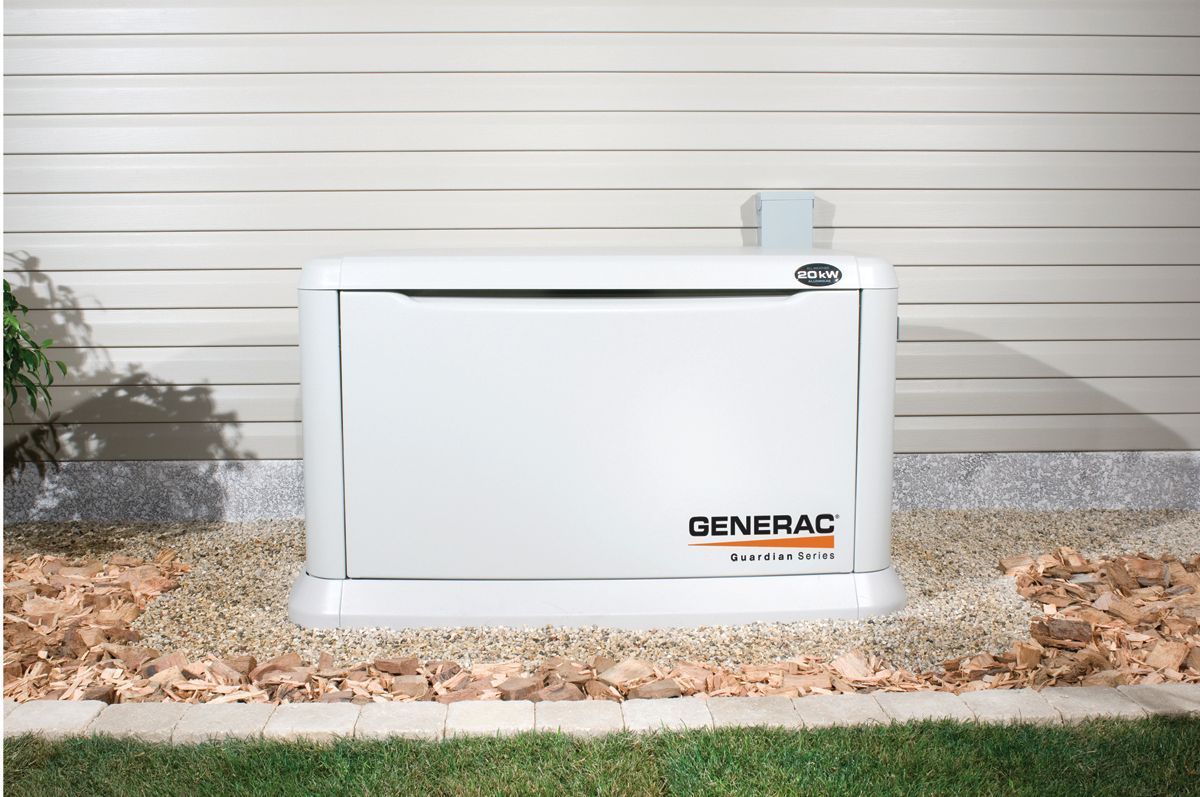
The image of a generator roaring loudly in the background is deeply ingrained, but it no longer represents the full picture. While older or industrial-grade generators can be noisy, modern generator technology has made significant strides in noise reduction.
Newer standby models are specifically designed to operate at much lower decibel levels. Many are quieter than normal conversation when running at partial load. Improved engine design, sound-dampening enclosures, and smarter load management all contribute to a more neighbor-friendly experience.
Noise perception also depends on how and where a generator is installed. Proper placement, the use of enclosures, and distance from living spaces can dramatically reduce the impact of sound. In residential settings, quiet operation has become a major selling point, and manufacturers compete to meet stricter noise standards. The idea that all generators are unbearably loud is largely outdated.
Myth 3: Generators Are Unsafe to Use
Safety concerns are understandable, especially when dealing with fuel, electricity, and engines. However, the belief that generators are inherently unsafe is misleading. Like any mechanical or electrical device, generators are safe when used correctly and dangerous only when misused.
Most generator-related accidents occur due to improper placement, lack of ventilation, or incorrect electrical connections. Modern generators come with extensive safety features, including automatic shutoffs, overload protection, and weather-resistant housings. Standby generators installed by professionals are designed to meet strict building codes and safety regulations.
Education and proper installation are the keys to safety. When users follow manufacturer guidelines and ensure adequate ventilation, generators become a reliable and safe power source. Blaming the generator itself often overlooks the real issue, which is improper installation and usage rather than flawed design.
Myth 4: Generators Consume Excessive Fuel
Another common misconception is that generators burn through fuel at an alarming rate, making them expensive and inefficient to operate. While fuel consumption is a valid consideration, modern generators are far more efficient than many people realize.
Fuel usage depends on factors such as generator size, load demand, and fuel type. Many generators adjust their engine speed automatically based on how much power is being drawn, which means they don’t run at full throttle all the time. This load-based operation significantly improves efficiency and reduces fuel waste.
Advancements in engine technology have also led to cleaner and more efficient combustion. Standby generators connected to natural gas lines can run continuously without refueling, while inverter generators are designed to maximize fuel economy for portable use. When properly sized for the intended load, a generator can provide hours or even days of power without excessive fuel consumption.
Myth 5: Generators Require Constant Maintenance
The idea that generators demand frequent, complicated maintenance can discourage potential buyers. While it’s true that generators are mechanical devices that need care, the level of maintenance required is often overstated.
Most modern generators are designed with user convenience in mind. Routine maintenance typically involves periodic oil changes, filter replacements, and basic inspections, similar to maintaining a car. Standby generators often include self-diagnostic systems that perform regular test runs and alert owners or service providers when attention is needed.
Many property owners opt for maintenance plans that include annual or semi-annual servicing, making ownership largely hands-off. When compared to the inconvenience and potential costs of prolonged power outages, generator maintenance is relatively minimal. The perception of constant upkeep usually comes from experiences with older models or neglected equipment rather than current designs.
Myth 6: A Generator Can Power an Entire Building Without Limits
While generators are powerful tools, believing that any generator can run everything in a home or commercial building simultaneously is a misunderstanding that can lead to disappointment or equipment damage. Generators have specific power ratings, and exceeding those limits can cause shutdowns or long-term wear.
The truth is that generators can power as much as they are designed to handle, which is why proper sizing is critical. Standby generators can be configured to power an entire home, but this requires a unit with sufficient capacity and, often, load management systems that prioritize essential circuits.
Portable generators, on the other hand, are typically intended to run selected appliances rather than every device at once. This doesn’t make them inadequate; it simply means they serve a different purpose. Understanding power needs and matching them to the right generator ensures realistic expectations and optimal performance. The myth lies in assuming limitless power rather than recognizing the importance of thoughtful planning.
Myth 7: Generators Are Bad for the Environment
Environmental concerns are increasingly important, and generators often get a bad reputation as polluting machines. While older generators did produce higher emissions, modern units are far more environmentally conscious than many people assume.
Today’s generators are subject to strict emissions regulations, and manufacturers have responded with cleaner-burning engines, improved fuel efficiency, and reduced exhaust output.
Additionally, generators are typically used intermittently rather than continuously, which limits their overall environmental impact. Most standby models run on cleaner fuels such as natural gas or propane, further reducing emissions compared to traditional gasoline or diesel units. While no combustion engine is entirely emission-free, labeling generators as universally harmful ignores the significant progress made in reducing their environmental footprint.
Generators have come a long way from the bulky, loud, and inefficient machines many people still imagine. In fact, their popularity continues to increase; according to Custom Market Insights, the U.S. generator market size is projected to reach $11.8 billion by 2033. By debunking these seven common myths, it becomes clear that modern generators are versatile, safe, efficient, and increasingly environmentally responsible. If you're ready to add a generator to your home or commercial property, contact Riverside Electric Inc today to schedule a free consultation.