The modernization of our world rests on a foundation of reliable power, and as technology accelerates, so does the demand for expert oversight. The landscape of electrical services is shifting rapidly, moving away from simple wiring and toward complex, integrated systems that power everything from our logistics centers to our multi-family housing complexes. This evolution is driven by a confluence of technological breakthroughs and a global shift toward sustainable energy. As electricity becomes even more indispensable to our daily operations, understanding the multifaceted drivers behind this surge helps us prepare for a future that is electrified and highly efficient.
1. Survey the Historical Context of Electrical Services
The journey of power began as a localized luxury and transformed into a universal necessity. In the late 19th century, the transition from gas to electricity required a massive overhaul of urban infrastructure. The development of alternating current (AC) enabled us to transmit power over vast distances, effectively laying the groundwork for the modern grid. Since 1945, we have seen these systems evolve from basic lighting circuits to the sophisticated networks we manage today.
Historically, the Industrial Revolution served as the primary catalyst for growth. As factories swapped steam for motors, productivity skyrocketed. However, early adoption was fraught with safety concerns and reliability issues. It took decades of rigorous licensing and the establishment of safety codes to win public respect. This history of overcoming technical hurdles informs our modern approach to electrical work, ensuring that reliability and safety remain the twin pillars of every installation.
2. Analyze Modern Drivers of Demand in Electrical Work
Today, the surge in demand is fueled by the rapid electrification of transportation and the expansion of urban centers. The rise of electric vehicles (EVs) has created an immediate need for robust charging infrastructure. We are seeing a significant uptick in the installation of high-capacity EV chargers for both commercial fleets and residential complexes. As more drivers make the switch, the burden on existing electrical systems grows, requiring professional upgrades to prevent overloads.
Urbanization and the growth of smart home technologies further amplify this need. High-density areas, such as the commercial real estate and multi-family housing sectors in Cincinnati, OH, require intricate power management to support thousands of connected devices. Furthermore, government initiatives and environmental regulations are pushing for the integration of renewable energy. This shift isn't just about "going green"; it is about creating a resilient infrastructure that can handle the USD 163.9 billion market value established in 2024.
3. Evaluate Technological Advances in Electrical Equipment
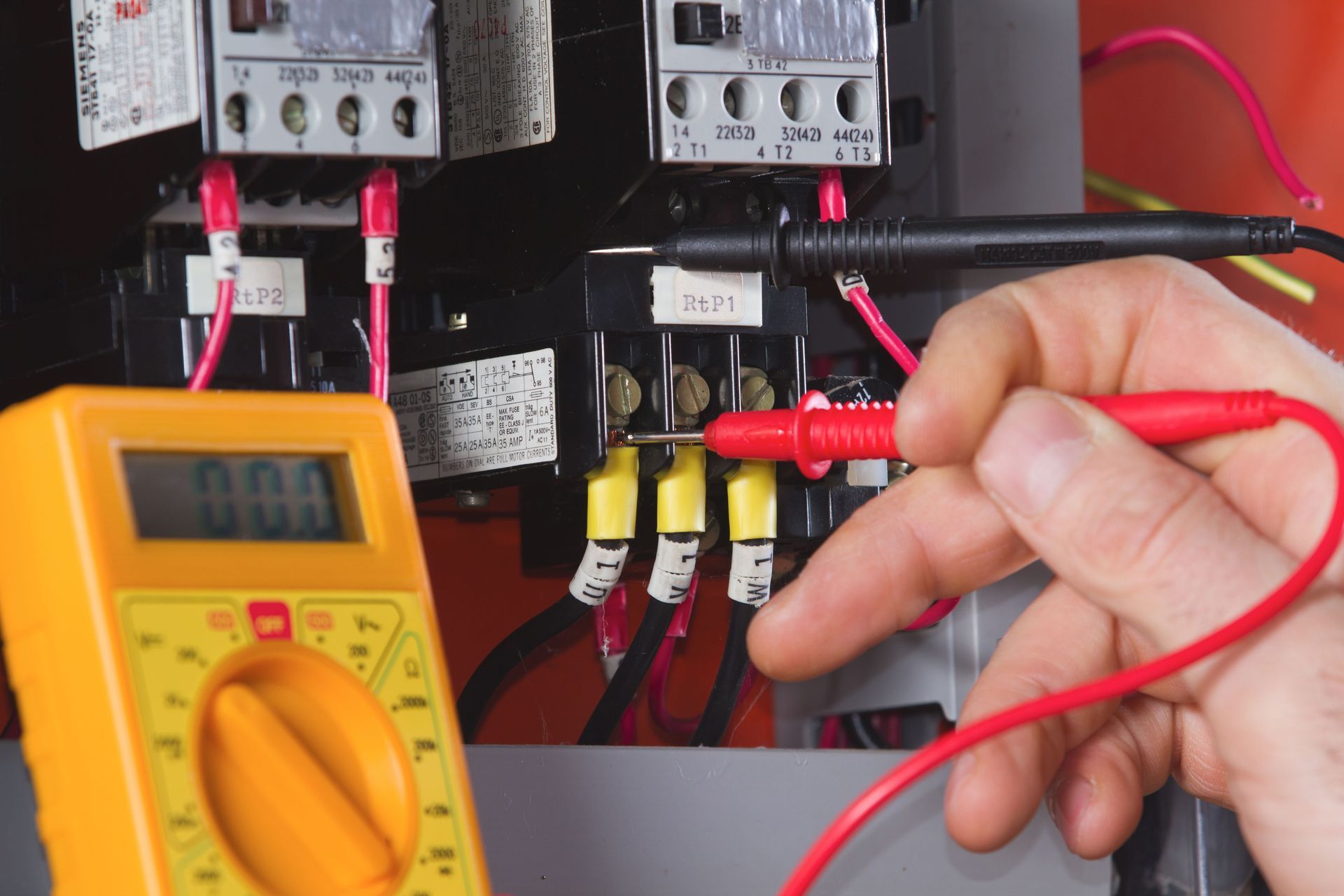
Modern services are no longer just about wires and breakers; they are about data and automation. Smart grid technology now allows for real-time monitoring and data analytics, enabling us to identify potential failures before they result in costly downtime. This is particularly critical for industrial facilities and warehouse operations where a power outage can disrupt global supply chains.
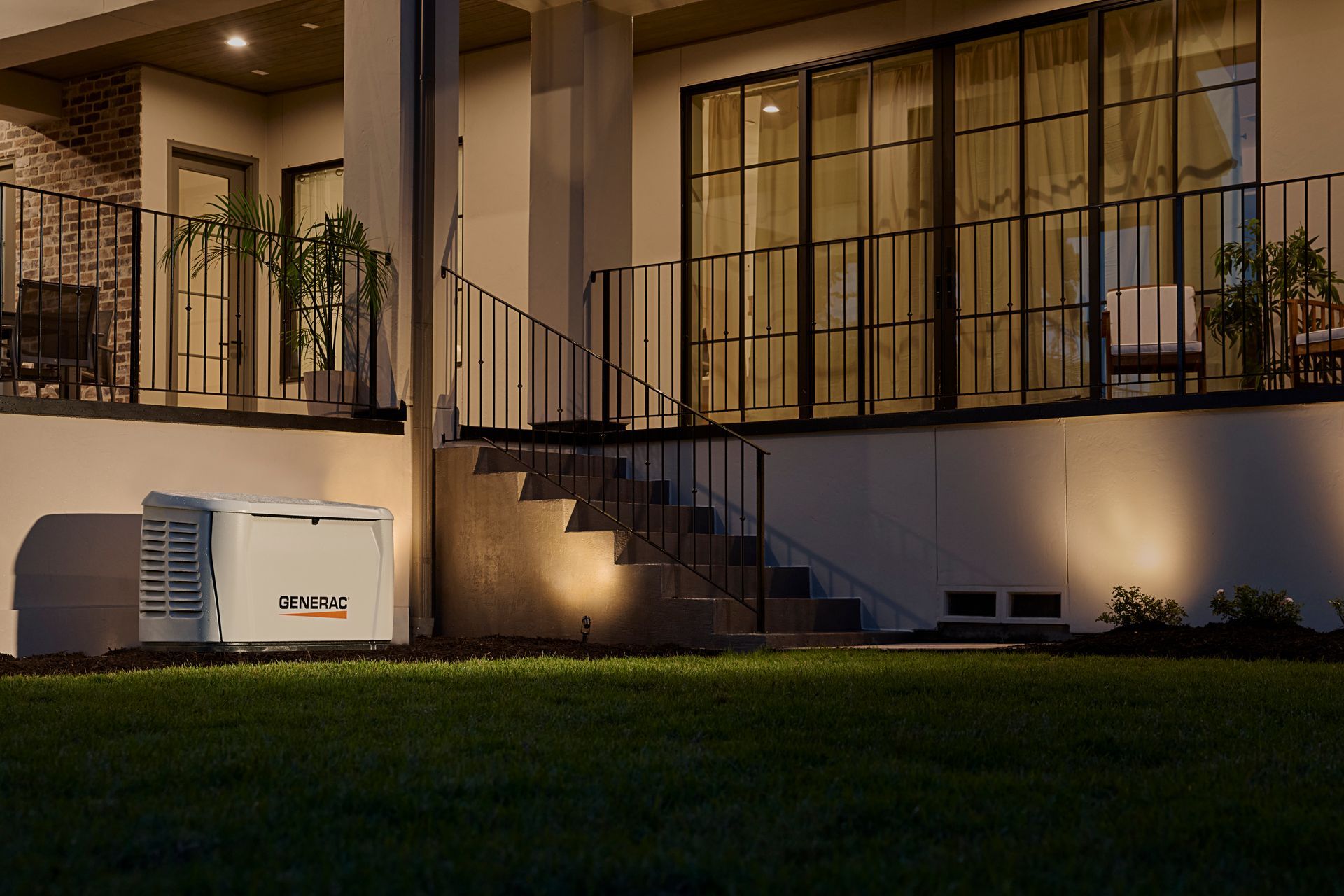
Innovation in materials, such as advanced semiconductors and superconductors, has led to more efficient power distribution. Additionally, energy storage solutions and high-fidelity generators have become essential for business continuity. We have seen a marked increase in the demand for affordable home standby generators and industrial-grade Generac generators to provide a safety net against grid instability. When these technologies are paired with AI-driven predictive maintenance, the result is a system that is as intelligent as it is powerful.
4. Overcome Challenges Facing the Electrical Services Industry
Despite the technological leaps, the industry faces significant hurdles, most notably aging infrastructure. Many grids in the U.S. were designed decades ago and are struggling to keep pace with modern loads. This obsolescence makes the role of professional services even more vital, as we work to retrofit older buildings with modern safety features and increased capacity.
There is also a pressing need for workforce development. As systems become more digitized, the skills required to maintain them change. Cybersecurity is now a frontline concern for electrical networks, as digital intrusions can threaten physical infrastructure. Furthermore, we must navigate the complexities of regulatory compliance across different states. Being licensed in OH, KY, and IN allows us to maintain a consistent standard of safety and quality while addressing the specific environmental and legal requirements of each region.
5. Review the Economic Impact of the Electrical Services Surge
The economic footprint of this sector is massive and growing. According to Global Market Insights, the U.S. electrical services market was valued at USD 163.9 billion in 2024 and is expected to reach USD 294.6 billion by 2034. This nearly twofold increase underscores the critical role that power plays in our national economy. This growth translates directly into job creation for engineers, licensed technicians, and project managers.
Investment in infrastructure also brings regional economic benefits. When we upgrade the lighting management or LED systems for a retail property or an institution, we are reducing their long-term overhead and increasing their property value. While supply chain issues and fluctuating material costs, such as the price of copper and semiconductors, can pose challenges, the long-term trend is one of expansion. High-quality services are an investment that pays dividends in safety, efficiency, and reduced energy costs over time.
6. Forecast the Future Outlook of Electrical Services
Looking ahead, the power demand is only going one way: up. We anticipate that the "smart energy future" will involve a highly decentralized grid where buildings both consume and contribute power. Emerging technologies like the Internet of Things (IoT) will allow every component of a building’s electrical system to communicate, optimizing energy use in real-time. This level of connectivity will be standard in future commercial real estate and logistics facilities.
International collaboration and the sharing of best practices will be essential to meeting long-term sustainability goals. As we move toward 2034, the focus will remain on building resilience. Whether it is through the installation of 24/7 commercial monitoring systems or the deployment of advanced energy storage, the goal is a seamless, uninterrupted flow of power. The future of services is one of constant adaptation, ensuring that as the world changes, the lights and the systems behind them stay on.
7. Implement Specialized Services for Diverse Sectors
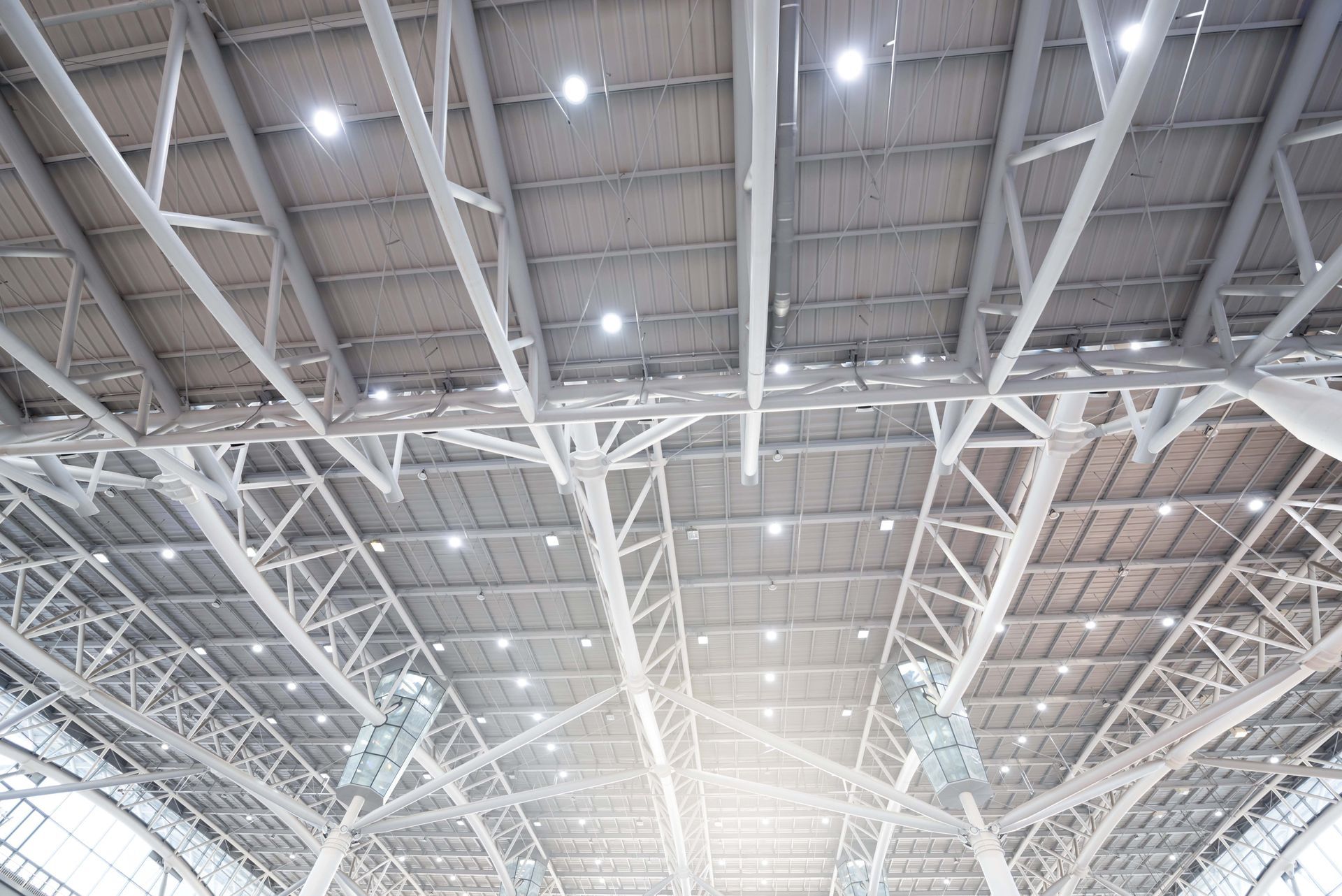
Different industries require tailored approaches to power management. For example, retail properties and churches have unique aesthetic and functional lighting needs that differ greatly from the heavy-duty requirements of an industrial plant. We focus on providing specialized services that cater to these specific environments. In warehouse and logistics facilities, the priority is often high-efficiency LED lighting and reliable power for automated sorting systems.
In the realm of commercial real estate, managing multi-family dwellings requires a balance between individual tenant needs and centralized building systems. This often includes the integration of 24/7 commercial electricians who can respond to emergencies at any hour. By focusing on these niche requirements, we ensure that every sector—from small retail shops to massive distribution hubs—has the specific support necessary to thrive in an increasingly electrified economy.
8. Optimize Energy Efficiency Through Advanced Lighting
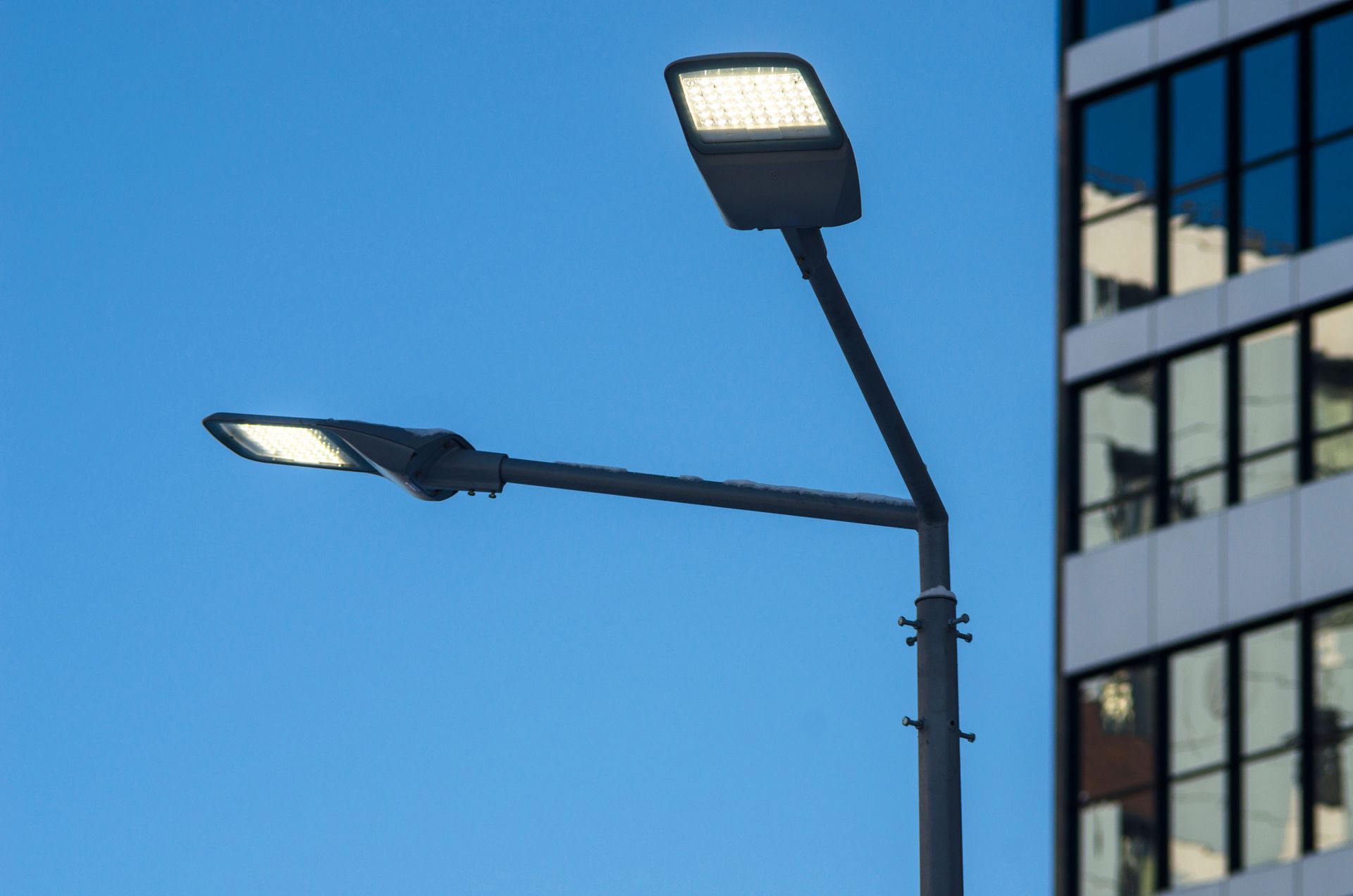
One of the most immediate ways to address the surge in energy demand is through lighting management. Moving to LED lighting is no longer just an "option" for businesses looking to save a few dollars; it is a fundamental component of modern infrastructure. These systems provide superior illumination while consuming a fraction of the power of traditional setups.
Beyond simple bulb replacement, advanced lighting management involves sensors and timers that ensure power is only used when and where it is needed. This is a core part of our electrical services, helping institutions and businesses reduce their carbon footprint while significantly lowering utility bills. When combined with regular maintenance and professional audits, these upgrades offer one of the highest returns on investment in the industry.
The surge in electrical services is a reflection of evolving societal needs, technological advancements, and environmental imperatives. We have explored the historical context, modern drivers, technological advances, and economic impacts shaping this dynamic industry. As we stand at the cusp of a new era, the sector is poised to embrace innovations and collaborations that drive sustainable growth and energy resilience. Addressing the multifaceted challenges and leveraging opportunities requires strategic foresight and expert execution. At Riverside Electric Inc, we have been serving the Cincinnati area and beyond since 1945. Whether you need 24/7 commercial electricians, LED lighting management, or free generator quotes, we are here to power your progress. Contact Riverside Electric Inc today to ensure your facility is ready for the future.