By Krista Mahon
July 1, 2026
As the world continues to prioritize efficiency, modernizing existing buildings has become a critical focus for property owners and facility managers. A significant portion of a building's energy consumption comes from outdated illumination systems. When considering how to upgrade a facility, addressing the lighting infrastructure offers a clear path toward noticeable improvements. By pursuing LED retrofits, property owners can achieve profound transformations without the need for a complete architectural overhaul. This transition involves replacing outdated bulbs, fixtures, and ballasts with modern alternatives designed to maximize output while minimizing power draw. The process is straightforward, minimally disruptive, and delivers immediate enhancements to the quality of light. Upgrading to a newer system completely revitalizes the visual appeal and functional quality of a space. Investing in modern lighting solutions demonstrates a commitment to operational excellence. Organizations that prioritize these upgrades find that their facilities look brighter, feel safer, and operate with far greater efficiency. Modern illumination technology is no longer just a luxury; it is a fundamental component of effective facility management.
Embracing Advanced Lighting Technology
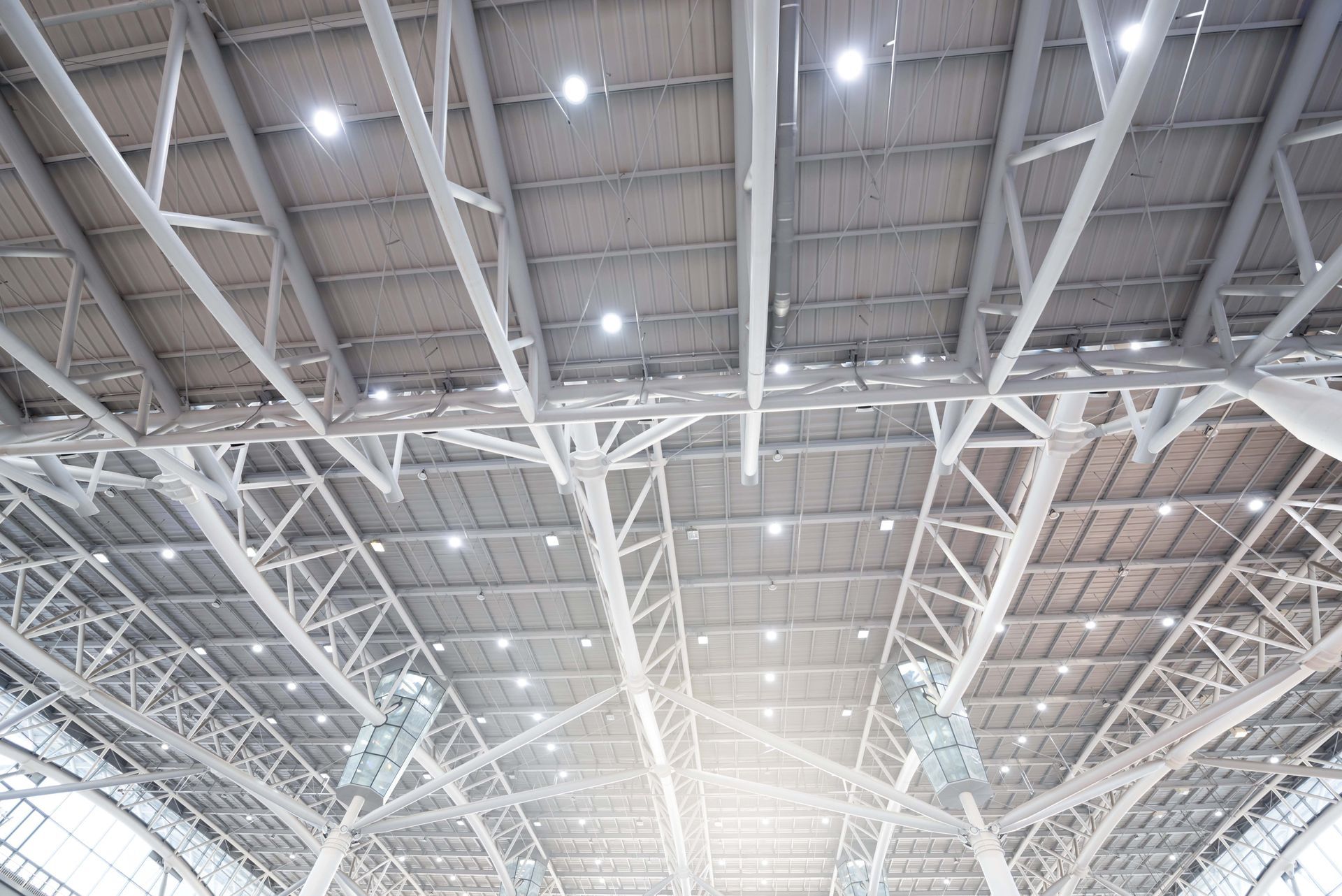
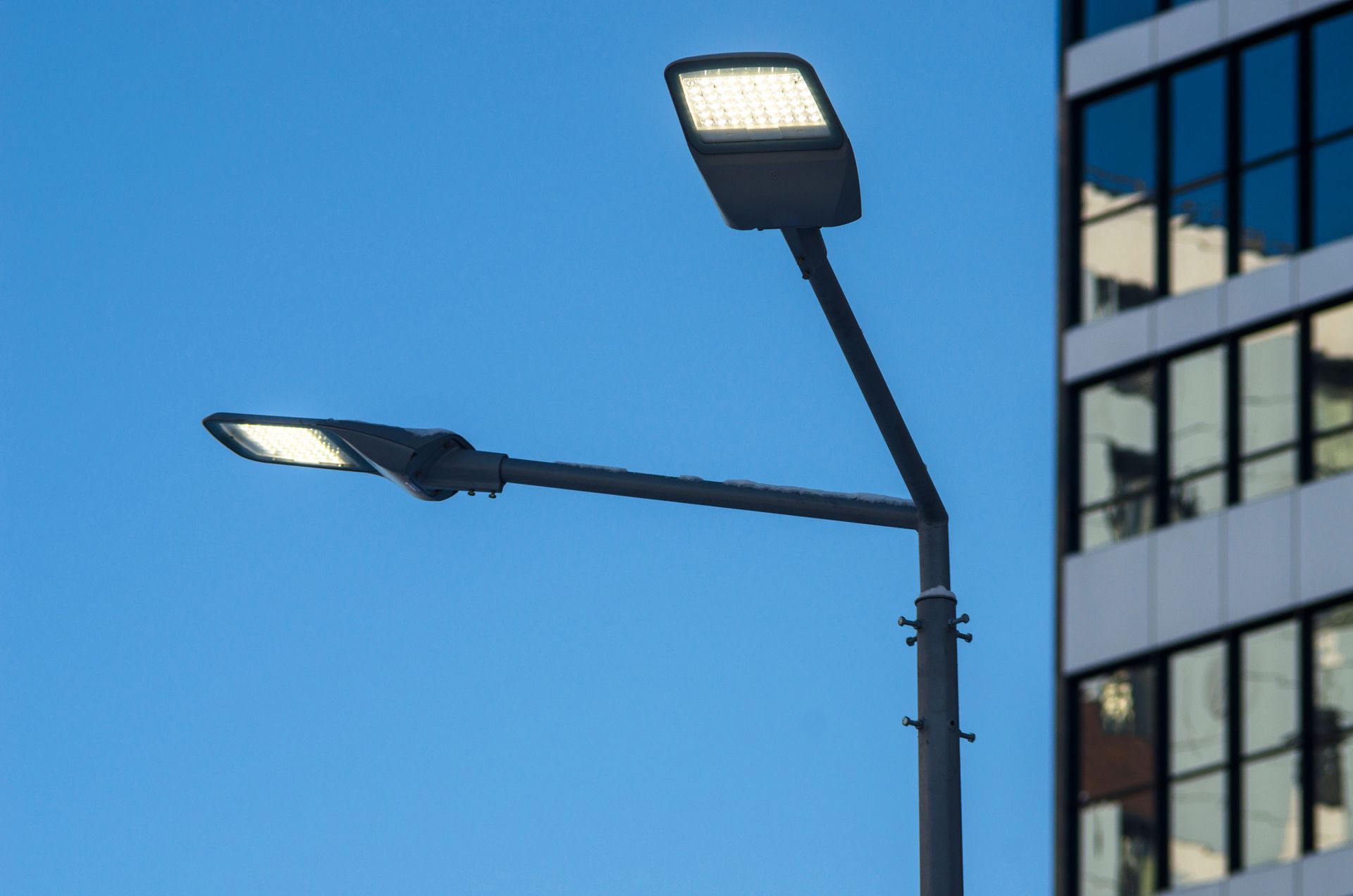
The core advantage of upgrading a lighting system lies in the fundamental shift in technology. Traditional bulbs generate illumination by passing an electrical current through a filament until it glows, a process that inherently wastes a massive amount of power as heat. In contrast, modern diodes emit light through electroluminescence, ensuring that almost all power consumed is converted directly into visible illumination. When facilities implement LED retrofits, they replace older, less efficient lighting systems with modern semiconductor-based technology. This transition reduces overall electrical demand while significantly lowering the amount of heat generated by lighting. Because LEDs produce less ambient heat than traditional fixtures, there is less heat introduced into interior spaces. As a result, HVAC systems do not have to work as hard to maintain comfortable temperatures, which can lead to additional, indirect energy savings. The quality of light produced by these advanced diodes is noticeably superior, offering better color rendering and eliminating the persistent flicker often associated with older fluorescent tubes. Facility managers will appreciate the crisp, clean illumination that completely transforms dark corridors, expansive warehouses, and busy office floors alike. Advancements in this technology continually push the boundaries of what is possible, offering features like adjustable color temperatures and integrated smart controls that adapt to the specific needs of the occupants.
Enhancing Overall Workplace Productivity
The quality of illumination within a commercial space profoundly impacts the daily experiences of employees and visitors. Poorly lit environments, characterized by dim corners or harsh glares, often lead to eye strain, fatigue, and diminished focus. By undertaking LED retrofits, businesses can create optimal visual environments that actively support the tasks being performed. Proper illumination helps reduce the physical toll on workers who spend long hours reading documents or staring at monitors. A well-lit workspace naturally fosters a more alert and engaged workforce, directly correlating with improved accuracy and efficiency. The consistency of modern lighting eliminates the uneven patches and shadows typical of aging fixtures, providing a uniform spread of light that enhances spatial perception. Furthermore, creating a bright and welcoming atmosphere contributes to a positive organizational culture, showing employees that management values their comfort and well-being. Visitors and clients also form better impressions of a facility when it appears bright, clean, and meticulously maintained. It is remarkable how a simple change in overhead lighting can shift the entire mood of a room, transforming a dreary, uninspiring office into a vibrant hub of collaboration and activity. Thoughtful lighting upgrades are a direct investment in human capital.
Minimizing Routine Maintenance Requirements
Facility maintenance teams constantly battle the endless cycle of replacing burned-out bulbs and repairing faulty ballasts. This repetitive task consumes valuable labor hours and requires a steady supply of replacement parts, adding a layer of operational friction to daily management. Integrating LED retrofits into a building completely disrupts this cycle by introducing components engineered for extraordinary longevity. The robust nature of these solid-state devices means they are highly resistant to vibrations, impacts, and the stress of frequent switching. Maintenance personnel are thus freed from the tedious chore of dragging ladders through busy workspaces just to change a flickering light. This reduction in required maintenance allows facilities teams to reallocate their time and resources toward more strategic initiatives, such as preventative maintenance on critical climate control or plumbing systems. Additionally, because the diodes do not fail abruptly but instead gradually dim over their extended lifespan, managers can plan replacements strategically rather than reacting to sudden outages. A reliable lighting infrastructure ensures that operations run smoothly without unnecessary interruptions. The peace of mind that comes from knowing the overhead lights will simply work day after day is an invaluable benefit for anyone responsible for building upkeep.
Improving Overall Environmental Sustainability
As organizations face increasing pressure to adopt eco-friendly practices, optimizing energy consumption stands out as a primary objective. Traditional lighting technologies are notoriously inefficient, contributing heavily to a facility's overall carbon footprint. To highlight the profound difference modern solutions make, we can look at data surrounding efficiency. According to the Department of Energy, residential LEDs - especially ENERGY STAR-rated products- use at least 75% less energy and last up to 25 times longer, than incandescent lighting. While this specific fact highlights residential data, the same technological principles apply directly to the commercial fixtures utilized in large-scale building upgrades. Executing LED retrofits across an entire commercial property drastically cuts down on the electrical demand pulled from the grid. Lowering energy consumption translates directly into reduced greenhouse gas emissions, helping companies meet their corporate sustainability goals. Furthermore, unlike older fluorescent tubes, modern diodes do not contain harmful materials, making disposal much safer and less environmentally damaging. Emphasizing green initiatives through responsible facility upgrades enhances a company's public image and demonstrates a tangible commitment to protecting the planet. Sustainable building practices are quickly becoming an expected standard in modern business operations.
Modernizing Outdated Building Infrastructure
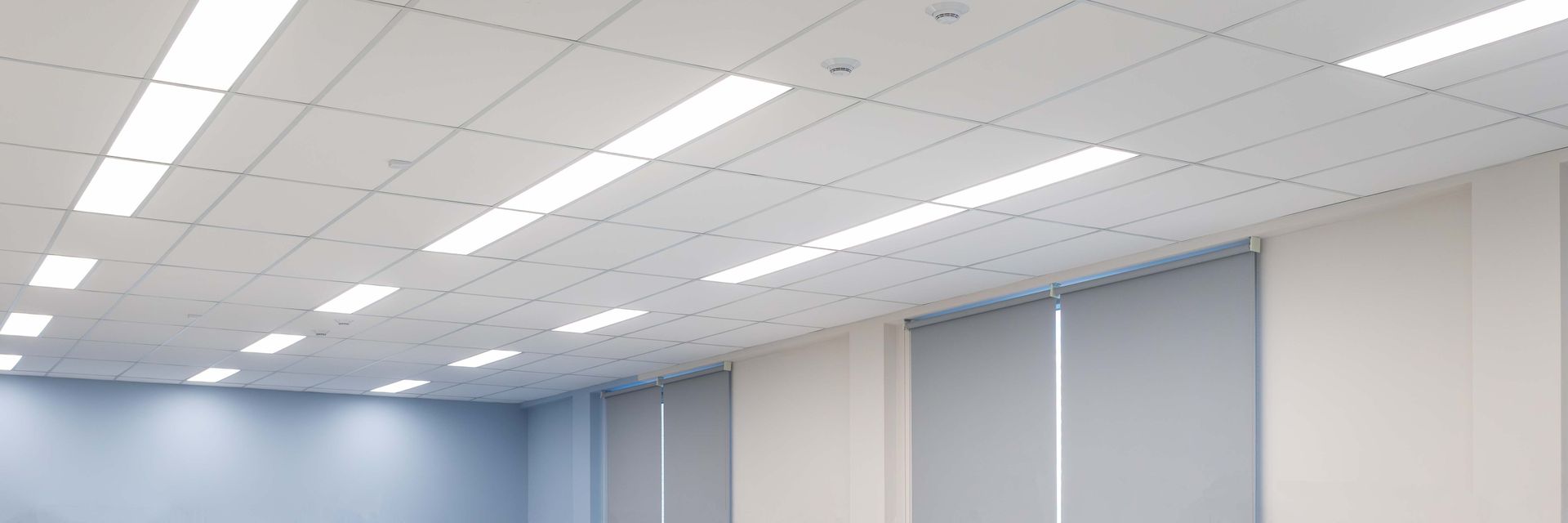
Older commercial buildings possess a certain architectural charm, but their aging electrical and lighting systems often hinder modern operational needs. Upgrading a facility does not necessarily mean tearing down walls or engaging in heavy construction. Implementing LED retrofits offers a streamlined approach to modernization that works within the existing framework of the property. Specially designed conversion kits allow technicians to utilize the current housing of fluorescent troffers or high-bay fixtures, stripping out the obsolete internal components and installing modern diode arrays. This method preserves the aesthetic integrity of the ceiling while completely overhauling the functionality of the light source. It is an elegant solution for historic buildings or properties where extensive renovations are simply not feasible. The modernized infrastructure also prepares the building for future technological integrations, such as advanced occupancy sensors and automated daylight harvesting systems. Property owners significantly boost the market value and leasing appeal of their spaces by offering state-of-the-art illumination. Tenants actively seek out modern, bright, and efficient spaces, meaning these lighting upgrades serve as a powerful tool for tenant retention and acquisition. Modernizing through lighting is a smart, low-impact strategy for breathing new life into any aging property.
The journey to a more efficient, comfortable, and sustainable building begins with the lighting. Outdated fixtures drain resources, hamper productivity, and require constant attention, making them a significant liability for any property owner. By investing in comprehensive LED retrofits, facility managers can instantly elevate the quality of their spaces while eliminating unnecessary maintenance burdens. A brighter, more welcoming environment benefits everyone who walks through the doors, from employees and tenants to visiting clients. Taking the step to modernize your illumination infrastructure is a decision that pays continuous dividends through enhanced operational performance and improved aesthetic appeal. If you are ready to transform your facility and explore the benefits of advanced lighting solutions, call Riverside Electric Inc. today to learn more about our comprehensive commercial services.