By Krista Mahon
May 28, 2026
The importance of maintaining outdoor lighting extends far beyond mere aesthetics; it plays a critical role in ensuring safety and enhancing curb appeal. A well-lit environment deters potential intruders and provides peace of mind for homeowners. Transitioning to smart, energy-efficient lighting solutions not only improves the functionality of outdoor spaces but also offers substantial cost savings in the long run. Embracing modern lighting solutions is not just a trend but a necessity for sustainable living and effective property management. Investing in the right technology today ensures that your landscape remains a safe haven while reducing your environmental impact through smarter power usage.
Maintaining existing lighting systems
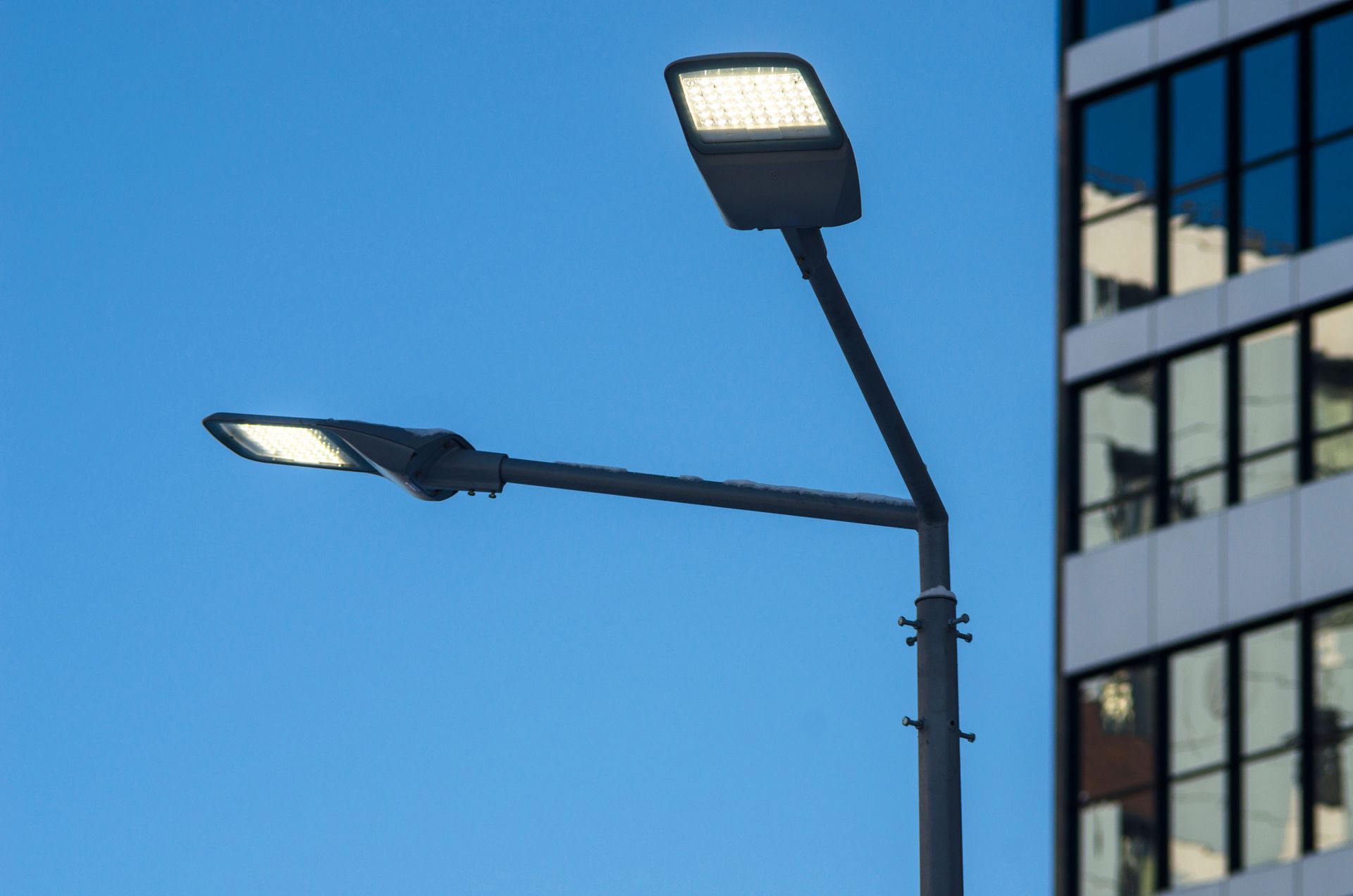
Traditional outdoor lighting systems often face a host of issues that can hinder their performance. Deterioration of fixtures due to exposure to the elements frequently leads to the need for professional outdoor lighting repair to restore functionality. Common problems include wiring complications such as shorts or corrosion, which can result in intermittent performance or complete system failure. According to Mordorintelligence.com, the US outdoor LED lighting market size is valued at USD 4.21 billion in 2025, highlighting a massive shift toward more durable technology.
Regular maintenance is crucial to ensure lights operate effectively. Periodic cleaning of fixtures is necessary to remove dirt and debris that can obscure light output. Checking for loose or damaged wiring can prevent potential hazards such as electrical shorts or fires. Scheduling regular inspections not only ensures functionality but can also prolong the lifespan of the lighting system, providing long-term savings and reducing the frequency of emergency repairs. This proactive approach allows you to catch minor corrosion before it requires a total system overhaul.
Identifying signs of a failing system early can save homeowners from total darkness. One of the earliest indicators is slow activation or flickering, which signifies a partial blockage or failing component in the electrical path. Unpleasant buzzing sounds or dimming bulbs can also indicate the buildup of moisture or corrosion within the fixture. When these signs appear, seeking a specialized outdoor lighting repair expert is essential to prevent damage to the broader electrical network of the home and maintain the safety of your property's perimeter.
Upgrading to smart technology
Smart lighting solutions offer advanced security features that are not available in traditional systems. Motion sensors and automated timers can be integrated to activate lights only when movement is detected, deterring potential intruders while conserving energy. These features can be controlled remotely, allowing homeowners to simulate presence by adjusting lighting schedules even when they are away. Integration with security cameras and alarm systems further enhances safety, providing a comprehensive approach to home security that goes beyond simple illumination.
The convenience of remote control and automation is a key advantage of modern outdoor systems. With the use of smart devices, users can manage their lighting from anywhere, offering unparalleled flexibility. Automation features, such as scheduling and motion detection, allow lights to operate based on specific triggers, ensuring they only run when needed. This minimizes unnecessary usage and reduces the wear and tear that leads to a future outdoor lighting repair project, effectively extending the operational life of every smart fixture installed.
Personalization options include adjustable color settings and dimmable lights, allowing homeowners to set the perfect ambiance for any occasion. Zoning capabilities enable precise control over different areas of a property, ensuring optimal illumination in each space. Additionally, weather-responsive features can adjust lighting levels based on outdoor conditions, enhancing performance. Integration with home voice assistants further simplifies management, creating a cohesive and interconnected living environment that adapts to your needs with simple voice commands or pre-set routines.
Optimizing energy consumption levels
Smart lighting significantly reduces energy consumption through advanced technologies and efficient design. LED bulbs, commonly used in smart lighting systems, offer substantial energy savings over traditional incandescent bulbs by using up to 80% less electricity. Automatic controls ensure lights are only active when needed, further reducing power usage. The overall reduction in energy demand results in lower carbon emissions and decreased reliance on fossil fuels, making it an eco-friendly choice for the modern, environmentally conscious property owner.
Transitioning to LED technology reduces greenhouse gas emissions associated with energy production. These reductions, when adopted on a large scale, contribute significantly to national goals for sustainability. Furthermore, LEDs emit far less heat than traditional bulbs, reducing the risk of fire and conserving energy. The environmental benefits of LED technology emphasize its compatibility with sustainable and safe lighting solutions that require less frequent bulb changes and lower labor costs, ultimately benefiting both your wallet and the local ecosystem.
Assessing the efficiency of existing systems is vital to identifying opportunities for improvement. Evaluate the type of bulbs currently in use, as incandescent or halogen options often indicate higher energy consumption. Analyze the fixture's condition and coverage area, ensuring they provide adequate illumination without overlighting. If your system is constantly failing, an outdoor lighting repair specialist can help bridge the gap by retrofitting old housings with high-efficiency LED components, giving your current setup a modern, energy-saving second life.
Executing the installation process
Upgrading involves several key steps to ensure success. Start by planning the layout and placement of new fixtures to optimize performance and aesthetics. Determine whether the project requires professional assistance, considering the complexity of the wiring and local regulations. Follow manufacturer guidelines for installing smart bulbs and control systems, ensuring all components are properly secured and weatherproofed to avoid early system degradation. Proper grounding and moisture sealing during this phase are essential for long-term system stability and performance.
After installation, configuring smart features is essential to maximize the system's potential. Connect the system to your home network and download relevant apps for remote management. Configure automation settings, such as "dusk-to-dawn" scheduling, to optimize energy savings according to your specific routine. Integrate with other devices, where applicable, to create a streamlined automation experience that responds to your lifestyle needs. This digital setup ensures your lighting works for you, rather than requiring constant manual adjustments or physical monitoring.
Analyzing cost and benefits
The initial investment in smart outdoor lighting can be significant, but the long-term savings often justify the cost. While smart lighting incurs higher upfront expenses, its energy efficiency greatly reduces operational costs. Enhanced durability and longer bulb life reduce replacement costs, further contributing to financial benefits. A careful cost analysis should balance immediate outlay with anticipated utility savings to ensure a sound investment decision for the property. Over several years, the reduction in electricity bills can effectively pay for the initial system upgrade.
Many regions offer rebates and incentives to encourage the adoption of energy-efficient solutions, reducing the net cost of upgrades. Programs sponsored by government agencies often provide financial assistance to homeowners implementing energy-saving technologies. Tax credits or rebates can offset a portion of the purchase price, making the transition much more affordable. Researching available programs can significantly enhance your budget and allow for a more comprehensive lighting overhaul that includes advanced security sensors and high-end architectural fixtures.
For budget-conscious consumers, implementing the upgrade in phases allows for cost distribution over time. Starting with key areas such as the front entrance delivers immediate security benefits, while future expansions can incorporate more decorative accents. If a full replacement isn't feasible, focused outdoor lighting repair can fix broken segments of an old system while slowly introducing smart bulbs. This modular approach allows for gradual improvement without overwhelming your finances. For more information about the services that we offer, reach out to our incredible team at Riverside Electric Inc. today!